 listicle
Best HVAC Maintenance Plans RI: 2026 Comparison Guide
Last Updated: October 24, 2026
Quick Summary
The best hvac maintenance plans in RI are the ones you'll actually use twice a year, not the ones with the longest feature list. A good plan includes at least two seasonal visits, a documented inspection checklist, coil and filter cleaning, and a written summary of findings.
- We scored plans on inclusions, visit frequency, member perks, and how clearly terms are published.
- Most maintenance plans cover tune-up labor but not parts like a failed blower motor.
- HVAC systems should be serviced twice a year: fall for heating and spring for cooling.
- A tune-up is a single visit; a maintenance plan bundles scheduled tune-ups with perks.
- Count repair discounts at realistic value, not full value, when calculating plan worth.
Table of Contents
- Why HVAC Maintenance Plans Make Sense in Rhode Island
- How We Evaluated the Best HVAC Maintenance Plans in RI
- What Should an HVAC Maintenance Plan Include?
- The Best HVAC Maintenance Plans in RI: Side-by-Side
- How Often Should HVAC Be Serviced in Rhode Island?
- What an HVAC Maintenance Agreement Actually Covers
- HVAC Tune-Up vs. Maintenance Plan: What's the Difference?
- How to Calculate the Annual Cost and Value of a Plan
- Frequently Asked Questions
Why HVAC Maintenance Plans Make Sense in Rhode Island
Rhode Island winters punish heating systems, and the swing into humid summers works air conditioners just as hard. That much is obvious to anyone who has paid a mid-January repair bill.
At T. Gomes Heating & Cooling, we've watched homeowners in Warwick and the surrounding towns call in a panic after months of skipped tune-ups. The pattern repeats.
How We Evaluated the Best HVAC Maintenance Plans in RI
We scored each plan on four things: what's included per visit, visit frequency, member perks like priority scheduling and repair discounts, and how clearly the provider publishes its terms. Price is a factor, but we weight transparency heavily. A plan with hidden exclusions is worse than a slightly pricier one with plain terms.
This is an editorial comparison, not a sponsored ranking. Where a provider's published details were thin, we say so rather than guess. For broader context on what preventive maintenance actually prevents, the U.S. Department of Energy guidance on home heating and cooling maintenance is a useful starting reference.
What Should an HVAC Maintenance Plan Include?
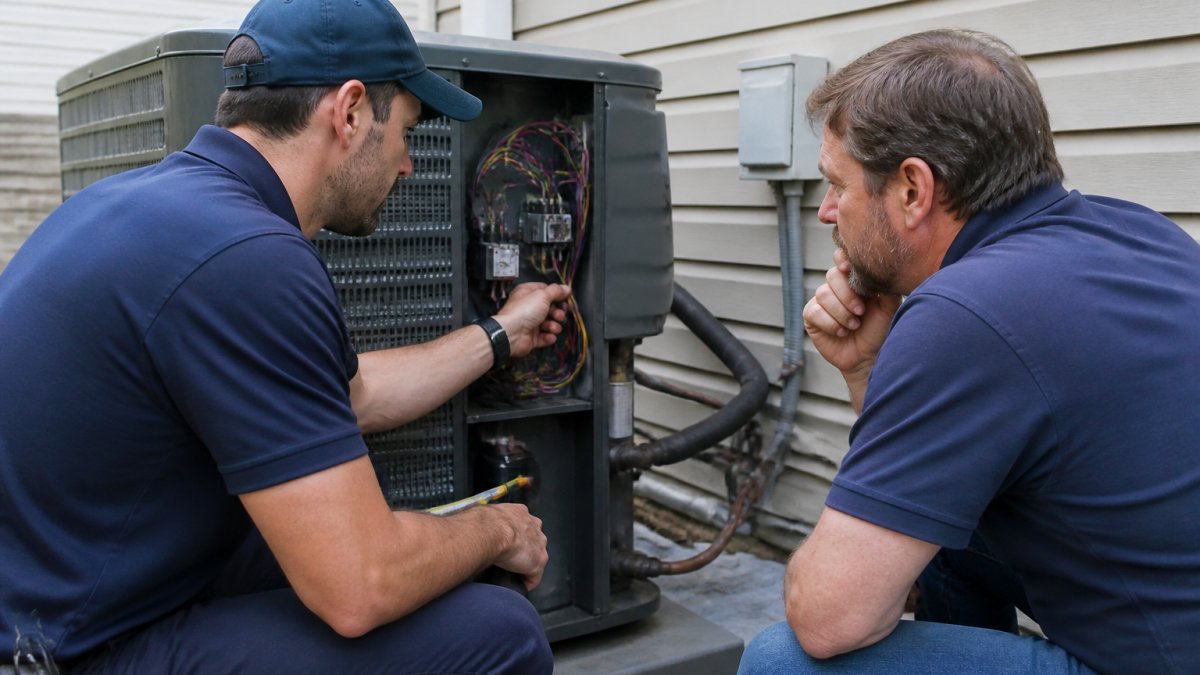
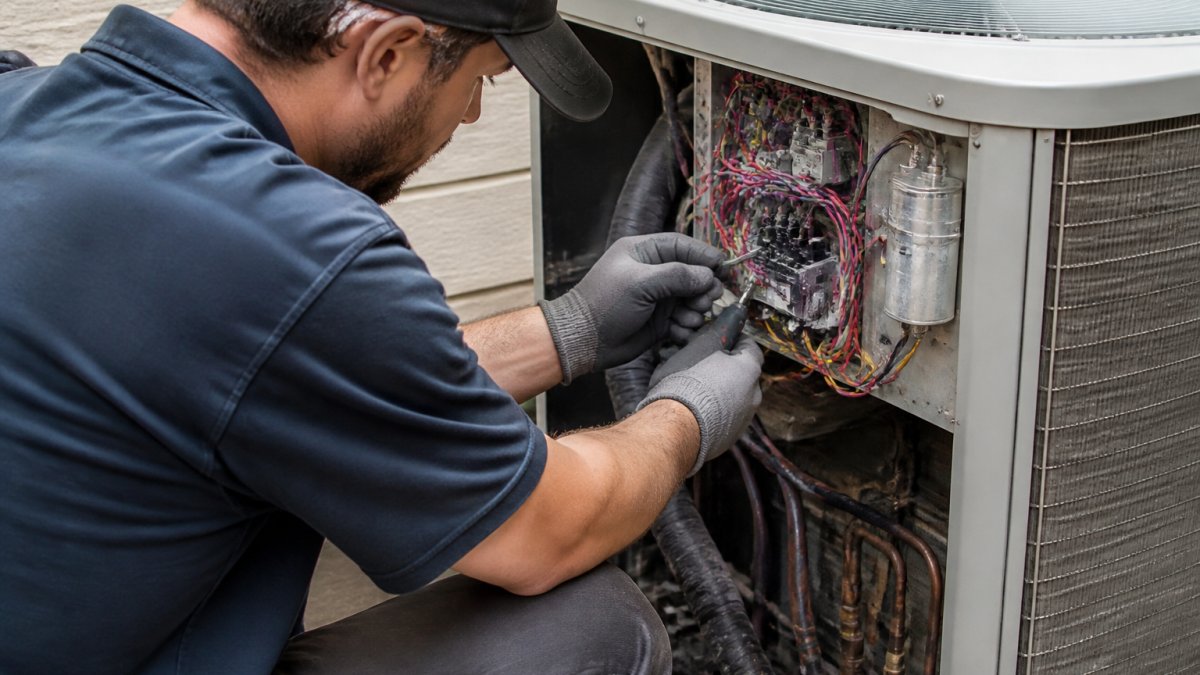
A good HVAC maintenance plan should include at least two seasonal visits per year, a documented inspection checklist, coil and filter cleaning, and a written summary of findings. Anything less and you're paying for a handshake.
Core Inclusions vs. Common Exclusions
| Included in most plans | Often excluded (check the contract) |
|---|---|
| Two seasonal tune-ups (heat + AC) | Refrigerant recharge |
| Filter replacement or cleaning | Major component replacement |
| Coil and condensate cleaning | Ductwork repair |
| Inspection and safety check | Emergency labor after hours |
| Priority scheduling | Permit or code upgrade costs |
Before you compare prices, look at what a real plan offering covers.
The Best HVAC Maintenance Plans in RI: Side-by-Side
| Provider | Plan structure | Best for | What to verify before you enroll |
|---|---|---|---|
| T. Gomes Heating & Cooling | Full-spectrum service, residential and commercial | Homeowners and property managers wanting one licensed team for repairs, installs, and maintenance | Visit count, per-visit task list, repair discount percentage, response-time promise |
| GEM Home Comfort Club | Seasonal maintenance plan | Organizing seasonal service costs | Number of visits per year, whether filters and coils are cleaned, cancellation terms |
| Superior Comfort RI | HVAC + plumbing plans | Coordinating both trades | Whether plumbing and HVAC visits are bundled or billed separately |
| Hope Energy | Heating service plan, upfront enrollment | Heating-focused households | Whether cooling is covered at all, and the enrollment fee vs. annual fee split |
| CARJON | Three plan tiers | Comparing coverage levels | The exact difference between tiers, tasks, visit count, discount level |
| Dupuis Energy | Flat annual fee, varies by fuel type | Oil and propane systems | Whether the fee changes if you switch fuel type, and what parts are excluded |
| Atlantis Comfort Systems | Residential service, 24/7 emergency repair | Round-the-clock emergency priority | Whether a defined maintenance plan exists or only on-demand service |
T. Gomes Heating & Cooling
Our own plan is built around the same idea we'd tell a neighbor: get on a twice-a-year schedule and stay ahead of failures. We've been licensed and insured since 2013, and we handle full-spectrum repairs, installations, and maintenance for homes and small commercial properties. What most guides miss is that plan value depends on who answers when something fails.
GEM Home Comfort Club
GEM's Home Comfort Club is a seasonal maintenance option for Rhode Island homeowners. It's a reasonable fit if your main goal is spreading maintenance costs across the year. The published details don't specify visit count or included repairs, so ask three questions before enrolling: How many visits per year? Is coil cleaning included or an add-on?
Superior Comfort RI HVAC & Plumbing Maintenance Plans
Superior Comfort bundles HVAC and plumbing maintenance, which is genuinely useful if you'd rather not juggle two contractors. The company cites early issue detection and repair discounts as benefits. Pricing isn't published, so request specifics, and ask whether the plumbing and HVAC visits happen on the same trip or require separate scheduling windows, because that affects how much time you spend waiting at home.
Hope Energy Heating Service Plan
Hope Energy's plan centers on heating, with an upfront enrollment cost. It suits households focused on furnace and boiler care. Confirm equipment coverage and visit frequency directly, and ask the one question that trips up heating-only plans: if you add central air later, does the plan cover it, or do you need a second agreement?
CARJON HVAC Maintenance Plans
CARJON offers three plan levels for Rhode Island homeowners, which is helpful if you want to compare coverage tiers. The tiers' specific differences aren't published, so ask for a side-by-side in writing. The useful comparison isn't the tier names, it's the delta: what does the middle tier add over the base, and what does the top tier add over the middle? If the only difference is discount percentage, the base tier is usually the better buy.
Dupuis Energy Service Plans
Dupuis charges a flat annual fee that varies by fuel type, oil or propane. That structure is clear and predictable. Coverage details require a direct request. Ask whether the flat fee covers both a heating tune-up and a cooling tune-up, or heating only, fuel-type pricing often signals a heating-centric plan.
Atlantis Comfort Systems Residential HVAC Services
ENERGY STAR guidance on maintaining home heating and cooling equipment
How Often Should HVAC Be Serviced in Rhode Island?
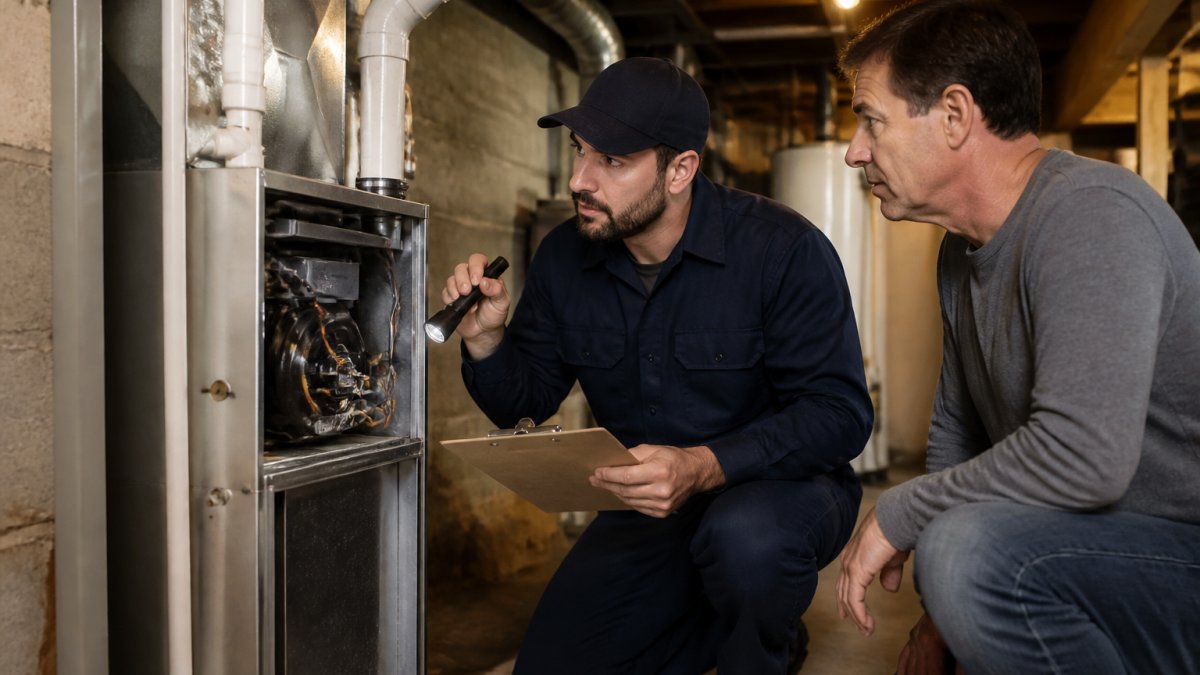
HVAC systems should be serviced twice a year: once in fall for the heating system and once in spring for the air conditioner.
Skipping the fall furnace visit is the mistake we see most. If you're already noticing odd furnace behavior, don't wait for a plan. Furnace repair can address it now.
What an HVAC Maintenance Agreement Actually Covers
An HVAC maintenance agreement is a contract that defines scheduled service visits, the specific tasks performed, and the member benefits you receive. It is not a warranty, and it is not insurance.
Read the exclusions before signing. Most agreements cover labor for tune-ups, not parts. Some limit visits to one system. A few require automatic renewal.
HVAC Tune-Up vs. Maintenance Plan: What's the Difference?
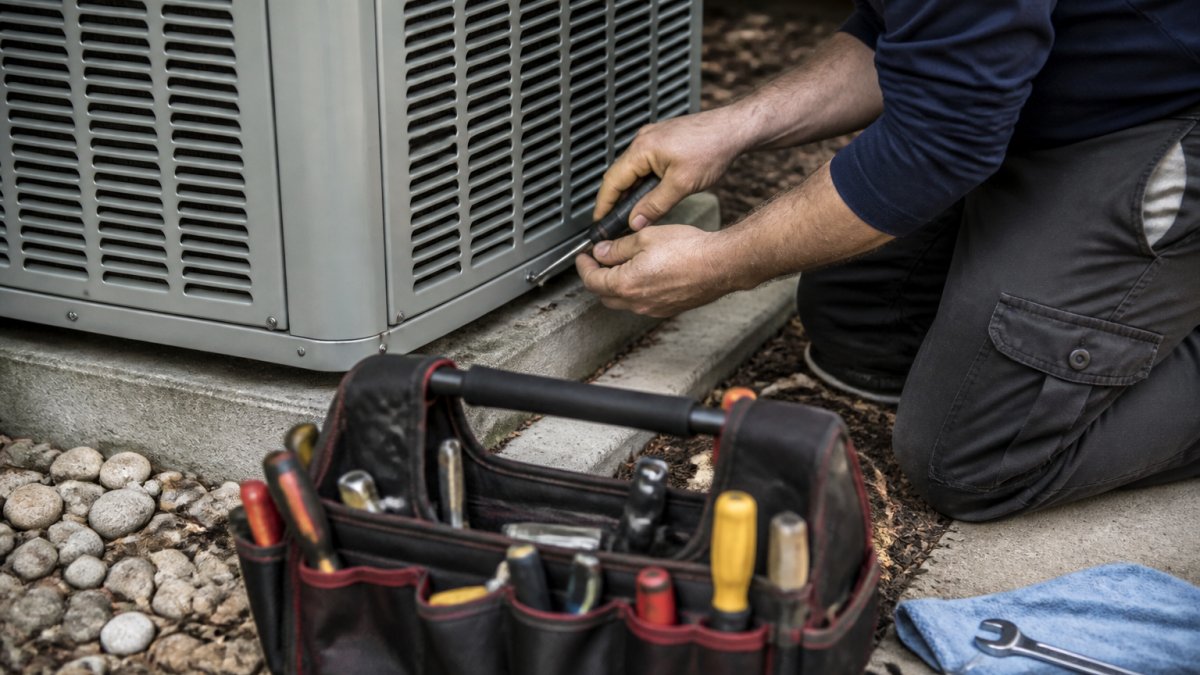
A tune-up is a single service visit. A maintenance plan is a recurring agreement that bundles scheduled tune-ups with perks like priority scheduling and repair discounts.
If you only need one visit, a standalone tune-up is cheaper. If you want to stay ahead of breakdowns, the plan wins over a year. For one-off needs, our HVAC repair service covers the immediate fix.
How to Calculate the Annual Cost and Value of a Plan
Add up the plan fee, then subtract the value of what you'd otherwise pay separately: two tune-ups, any repair discount you'd realistically use, and the value of priority scheduling during a peak-season failure. The trick is that the last two items are the ones people either ignore or overvalue. Here's how to put a defensible number on each.
Step 1: Get the all-in annual fee
Ask for the total you'll pay over 12 months, including any enrollment fee, trip charges, or add-on visit fees. A plan advertised as a low monthly figure can carry a one-time enrollment charge, so compare annual totals, not monthly ones.
Step 2: Price two standalone tune-ups
Call two or three local contractors and ask the flat price for a heating tune-up and a cooling tune-up without a plan. That's your baseline. If the plan fee is at or below the combined standalone price, the plan is roughly break-even before you count any perks, which is the honest way to frame most plans.
Step 3: Value the repair discount realistically
A repair discount only saves you money if you actually have a repair. Multiply the discount percentage by a typical repair bill to get the per-repair value, then multiply by the number of repairs you've had in the last three years divided by three. If you've had one repair in three years, your expected annual discount value is one-third of a single repair's discount, not the full amount.
Step 4: Value priority scheduling
Priority scheduling is worth the most during a peak-season failure, when the wait for a standard appointment stretches longest. Put a number on it by asking: what would I pay to avoid a multi-day wait in a heat wave or cold snap? If you have young children, elderly family members, or a heat pump that's your only heat source, that number is higher.
Step 5: Subtract the exclusions
List what the plan won't cover, refrigerant recharge, major components, after-hours labor, ductwork, and estimate what one of those events would cost you out of pocket. A plan that excludes the most likely failure on your system is worth less than its sticker price suggests.
A worked framework
Use this checklist and fill in your own numbers:
- Annual plan fee, all-in: $______
- Cost of two standalone tune-ups: $______
- Repair discount % × typical repair bill × expected repairs per year: $______
If (plan fee) lands below (two tune-ups + realistic discount value + priority value − exclusion risk), the plan is worth it. If it lands above, ask what you're paying for, and consider whether a single annual tune-up plus a repair fund is the better fit for your household.
Frequently Asked Questions
What should an HVAC maintenance plan include?
A solid plan typically covers two seasonal visits per year, one for heating and one for cooling. Each visit includes a multi-point inspection, filter changes, coil cleaning, and a written report. Look for plans that bundle priority scheduling, repair discounts of 10% or more, and no dispatch fees for members. Ask specifically whether repairs and parts are included or billed separately, and confirm whether the plan covers both your furnace and AC or just one system.
How often should an HVAC system be serviced?
Most manufacturers recommend servicing your HVAC system twice a year, once in spring for the air conditioner and once in fall for the furnace. In Rhode Island, where winters are long and humid summers push AC hard, two visits per year keeps equipment running efficiently and preserves manufacturer warranties. Skipping a season can void coverage on newer systems, and many HVAC maintenance plans in RI build both visits into the annual fee.
Are HVAC maintenance plans worth the cost?
For most homeowners, yes. A plan spreads tune-up costs across the year and typically includes repair discounts, waived dispatch fees, and priority scheduling during peak season. The bigger value is prevention: a technician catching a failing capacitor or a cracked heat exchanger during a routine visit costs far less than an emergency repair in January. Whether a plan pays off depends on how long you plan to stay in the home and how old your system is.
Do HVAC maintenance plans include repairs?
Most plans do not include repair labor or parts in the base fee. Instead, they discount repairs, commonly 10% to 20% off, and waive emergency or dispatch fees for members. Some premium tiers include minor parts like filters, belts, or thermostats. Read the inclusions and exclusions carefully before signing an HVAC maintenance agreement, and ask whether diagnostic fees are covered when a problem is found during a scheduled visit.
What is the difference between an HVAC tune-up and a maintenance plan?
An HVAC tune-up is a one-time service visit: a technician cleans, inspects, and tests your system, then hands you a report. A maintenance plan bundles two tune-ups per year with ongoing perks like priority scheduling, repair discounts, and waived fees. If you want a single check before winter, book a tune-up. If you want year-round coverage and a service relationship, a plan usually costs less than paying for two tune-ups separately.
Rhode Island's seasons don't give HVAC systems much rest, and a plan that keeps service on schedule is worth more than one with the longest feature list. If you want a licensed, insured team that handles maintenance, repairs, and installations under one roof, T. Gomes Heating & Cooling has served Warwick and the surrounding area since 2013 with competitive pricing and a customer-first approach. Contact us to ask about signing up and get your system on a twice-a-year schedule.